


Undergraduate students majoring in Human Development & Family Sciences or related fields (e.g., psychology, education, sociology) who can travel to Texas State University campus every Friday throughout the academic year. Preference will be given to HDFS majors who have an overall GPA of 3.0 or above. Participants must be U.S. citizens, U.S. nationals, or permanent residents of the United States.
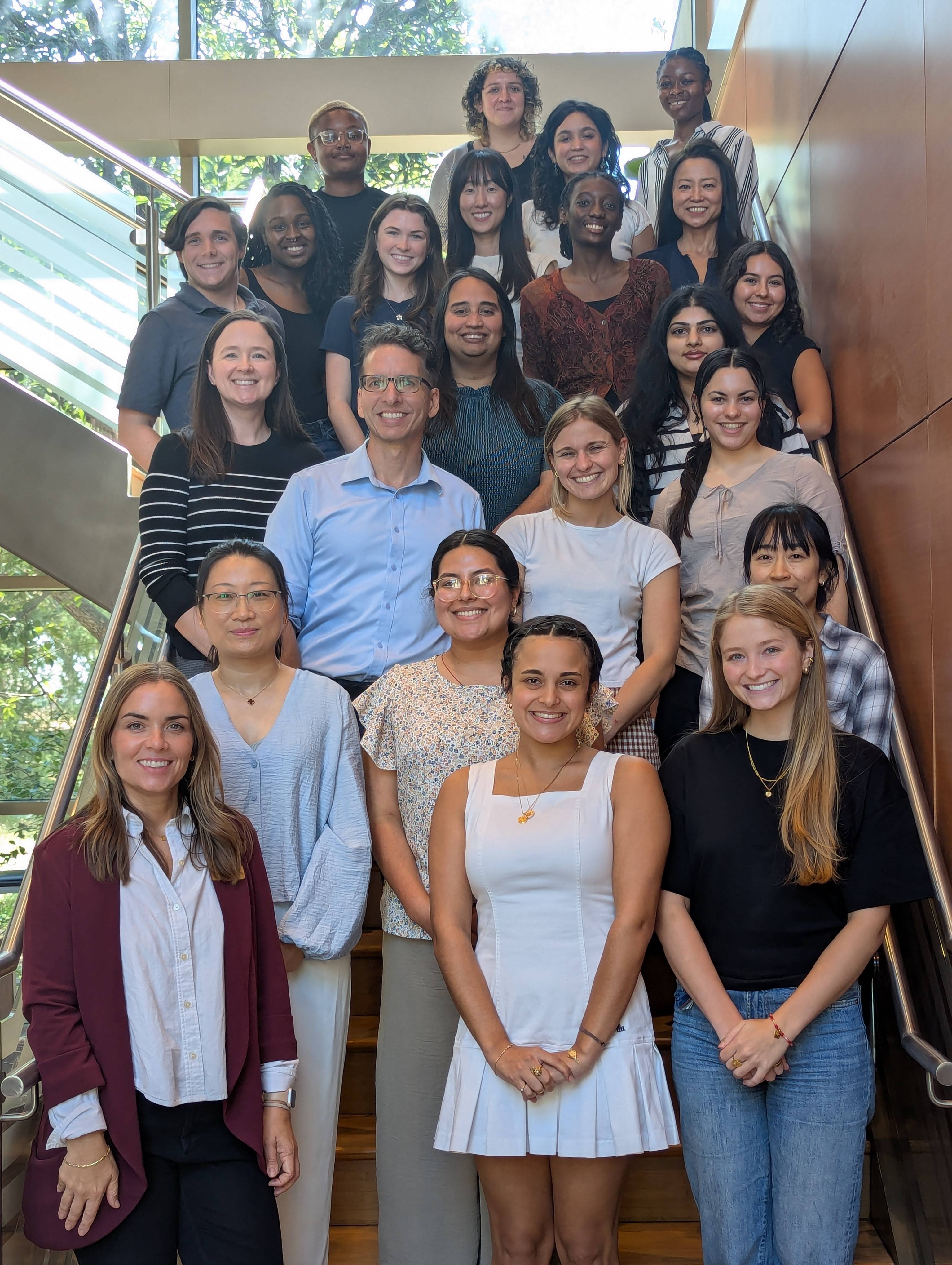
Fellow Highlight
October 1, 2026 - May 1, 2027
Stipend: $5,625 plus travel expenses and meals
Application portal for 2026-2027 is now open
OUR HDFS Fellowship program is to identify and host talented undergraduate students interested in Human Development and Family Sciences from STEM-limited institutions in Central Texas and provide you with support, guidance, and financial resources necessary for engaging in research and learning about graduate school. We will recruit and mentor 12 undergraduate students per academic year for a total of three years to participate in the program for 25 weeks total.
Financial Support
The program will provide travel reimbursement, parking, meals, and a stipend for all students ($5,625 in total to be paid on a biweekly basis at the rate of $225/week).
Fellowship Requirements
Fellows must make a two-semester (300 hour) commitment to the fellowship (10 weeks in fall and 15 weeks in spring). To maintain good standing status,
- fellows will commute to TXST on Fridays throughout the program
- fellows must attend weekly lab meetings
- fellows must attend monthly mentorship meetings
- fellows must attend six required workshops and two social events
Knowledge and Skills to Gain
- Fellows will be paired with a research faculty mentor and graduate student mentor who will facilitate their engagement in rich research experiences.
- Fellows will gain first-hand experience conducting research.
- Fellows will work closely with other undergraduate and graduate students, have opportunities to discuss research with peers, and observe graduate student life.
- Fellows will receive mentorship around careers in HDFS and graduate school
- Social events will focus on connecting fellows and celebrating their accomplishments.
-
Application Requirements
- Demographic information.
- Brief personal statement (300-500 words) that discusses (a) what you hope to gain from this fellowship, (b) your graduate school and career goals, and (c) how your personal, educational, and/or professional experiences make you particularly well suited for this fellowship program.
- Unofficial or official transcripts.
Timeline
- Applications due August 31st
- Face-to-face or Zoom interviews will occur between September 1st and 15th
- Notification by Friday, September 25th
Is this REU opportunity open to students at Texas State University?
Students from TXST will receive low priority on admissions because the National Science Foundation requires that a significant fraction of REU participants must come from outside TXST and at least half must be recruited from academic institutions where research opportunities in STEM are limited.
Faculty Mentors/Labs
Dr. Edna C. Alfaro
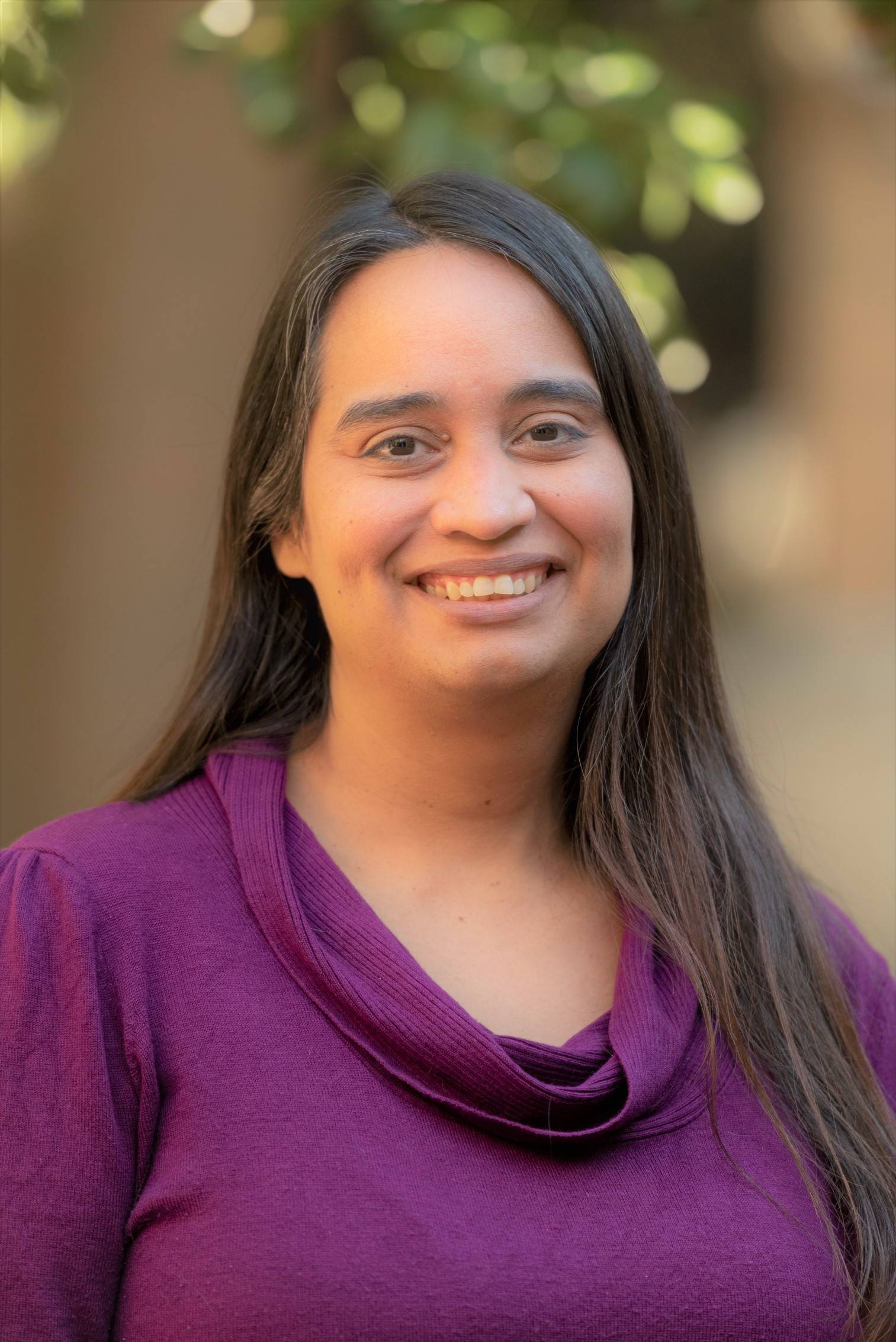
Dr. Alfaro utilizes the ecological and academic resilience frameworks to better understand the processes by which environmental, cultural, and familial factors interact with one another and impact high school and college students. This year, Dr. Alfaro’s lab students will assist with research related to relationships with parents, siblings, romantic partners, and friends, and college students’ academic and mental health outcomes.
Dr. Eunjin Seo

Student Engagement and Opportunity (SEO) Lab
Dr. Seo's research lab explores the fascinating world of adolescents and emerging adults, focusing on how their experiences at school unfold. We delve into how young people interact with their peers, teachers, and parents, and how these interactions influence their emotional well-being, academic success, and overall development. Our research covers a range of intriguing topics, including academic motivation (e.g., what drives students to succeed academically?), growth mindset (e.g., how do students' beliefs about their abilities impact their motivation and achievement?), peer power (e.g., how do friendships and peer relationships impact academic and social development?), and well-being (e.g., what factors contribute to students' emotional and mental health?).
Dr. Andrew Behnke
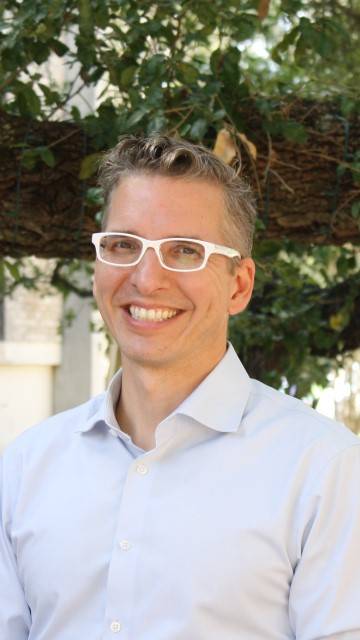
Dr. Behnke’s SR/SF Research Team supports the evaluation, development, and curriculum work of the Strengthening Relationships/Strengthening Families (SR/SF) program, a relationship education program serving Latinx adolescent parents across Central Texas high schools. SR/SF addresses co-parenting, grandparent involvement, father engagement, and multi-generational family relationships. Students will collect and analyze data, develop curriculum, and contribute to research write-ups that inform program improvement. The team also conducts occasional work related to his Juntos Program, which helps Latino youth and families in 20 states.
Dr. Yishan Shen
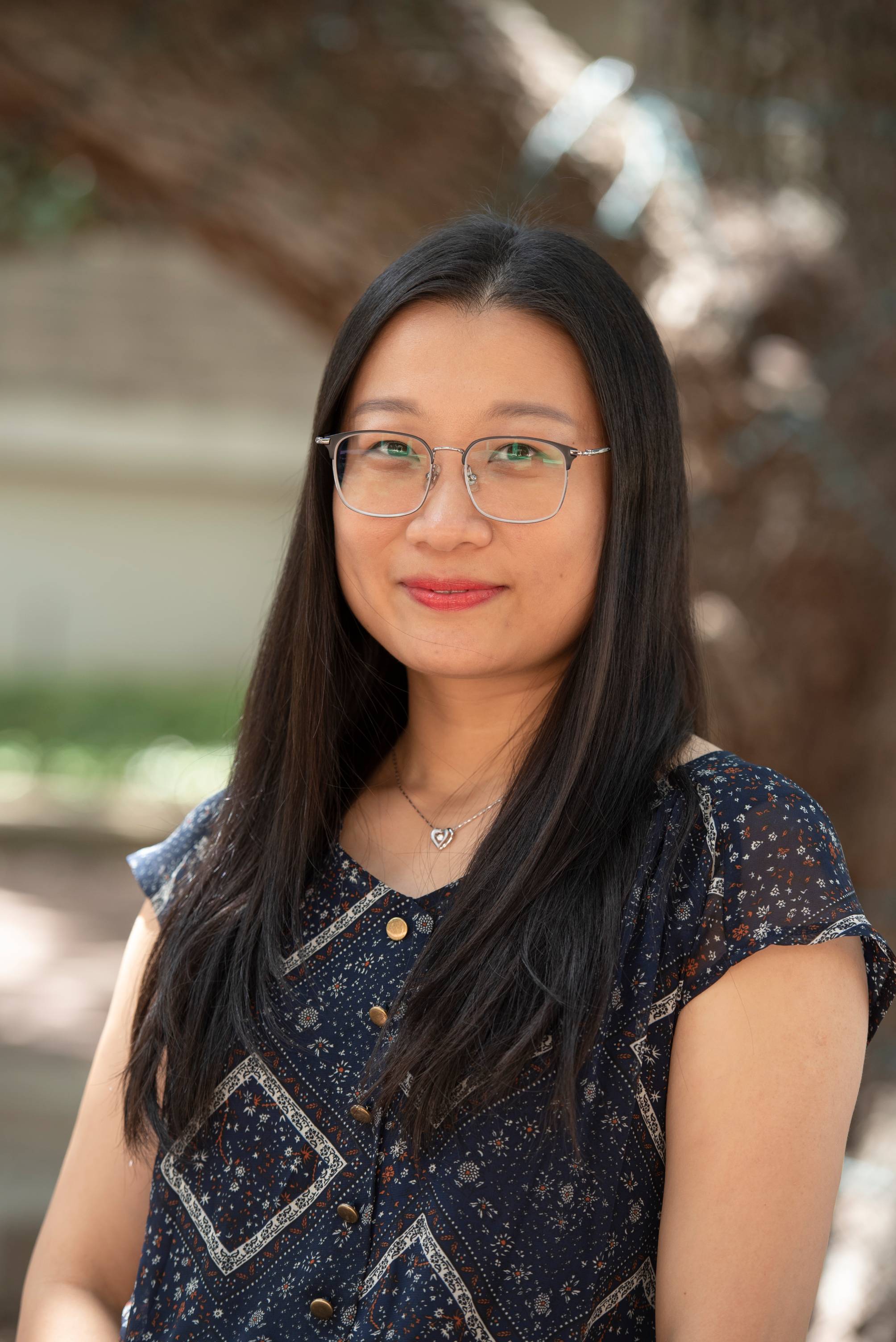
Adolescent Research on Context (ARC) Lab
Dr. Shen’s research interests center on understanding how various contexts, such as the family context, impact racial/ethnic minority and immigrant adolescents’ mental and behavioral health, as well as academic achievement. Students can explore one of three secondary datasets to study 1) Korean ethnic minority adolescents' family processes, 2) Hispanic/Latine adolescents' academic beliefs, and 3) San Marcos adolescents' social mobility beliefs in relation to their overall well-being. This year, Dr. Shen's lab will also participate in the design and planning of a new collaborative intervention program aimed at addressing Hays County adolescents' truancy and delinquency issues.
Dr. Priscilla Goble
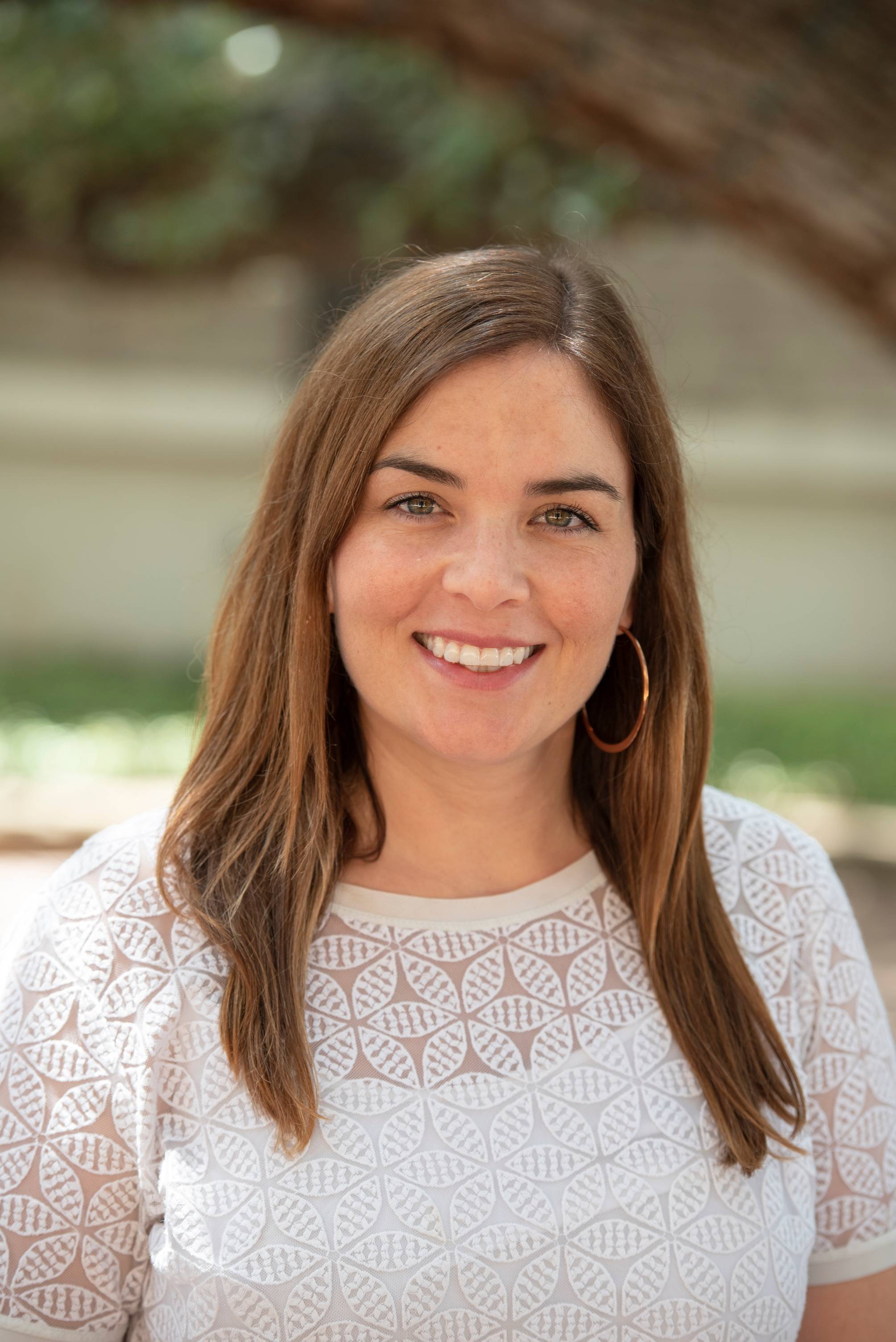
Child-Adult Relationships across Environments (CARE) Lab
Dr. Goble’s research and teaching focuses on strengthening the work of educators, child life specialists, and other professionals serving children and families, with a particular focus on fostering the well-being of both these professionals and the children and families they support. This year, Dr. Goble’s lab students will be assisting in the analysis of existing data and the development and implementation of a new study focused on children’s well-being within healthcare environments.
Dr. Amy A. Weimer
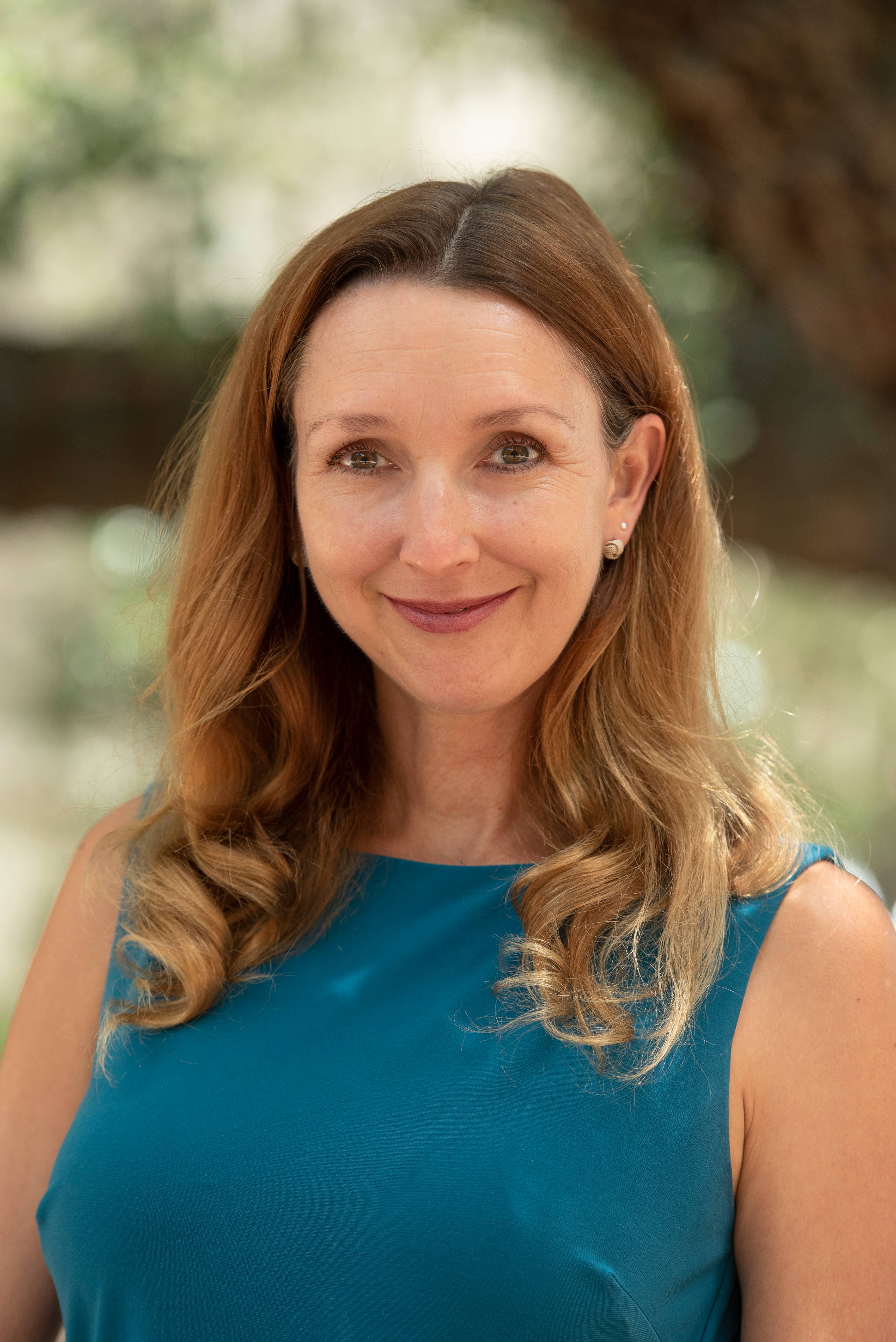
Research in Social Cognitive Development
Dr. Weimer specializes in investigating social, family, and cultural factors that affect and promote the socioemotional, cognitive, and academic development of diverse learners (e.g., bilingual, underrepresented populations). She especially enjoys facilitating students’ development of research ideas to explore how children come to understand the mental world—the inner world inhabited by emotions, thoughts, perceptions, intentions, and other mental states. This year, Dr. Weimer’s lab students will assist projects that seek to uncover new knowledge about how sociocultural and family factors relate to social, cognitive, academic and/or mental health outcomes.